24 Nov 2025 | Apex Environmental Services (UK) Ltd
How Bird Droppings Can Affect Your Air Conditioning
Your air conditioning unit works tirelessly to keep your home comfortable, but there's an unexpected threat that many homeowners overlook: bird droppings. These seemingly harmless deposits can wreak havoc on your AC system, leading to reduced efficiency, costly repairs, and potential health concerns.
Here’s our simple guide on making sure your home stays cool, without bird droppings reducing airflow and potentially posing a health risk to your space.
The Hidden Damage of Acidic Droppings
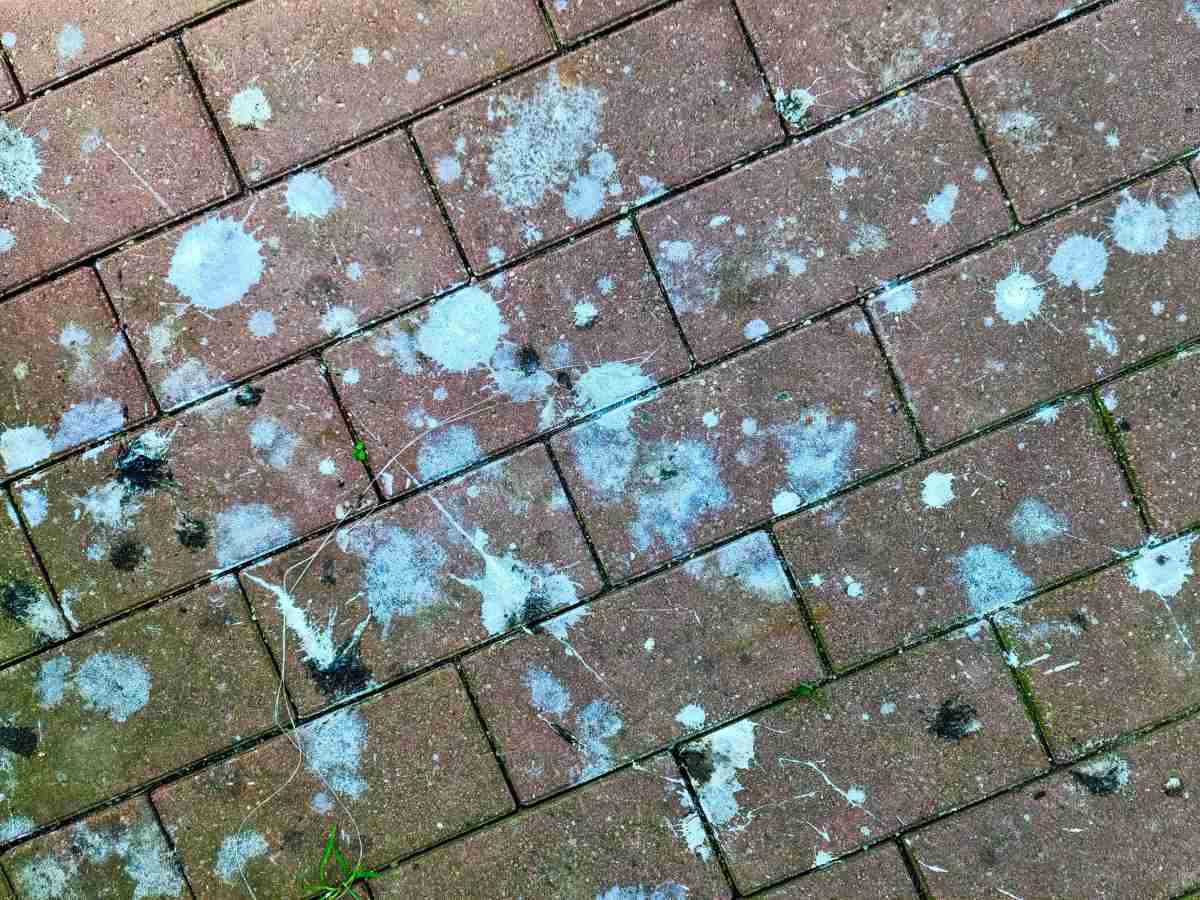
Bird droppings aren't just unsightly; they're highly corrosive. The uric acid found in bird waste can eat away at the metal components of your air conditioning unit over time. Outdoor AC units, with their exposed fins and coils, are particularly vulnerable to this type of damage.
When droppings accumulate on the condenser coils, they create a barrier that prevents proper heat exchange. Your unit has to work harder to achieve the same cooling effect, which drives up energy bills and puts unnecessary strain on the compressor. In many cases, this leads to premature system failure.
The aluminium fins on your condenser are especially susceptible. These thin metal structures can corrode quickly when exposed to acidic waste, reducing airflow and compromising the unit's ability to dissipate heat effectively.
Blockages That Reduce Airflow
Birds often view air conditioning units as ideal nesting spots: they're elevated, sheltered, and warm. Unfortunately, their presence creates serious problems for your system's performance.
Nesting materials like twigs, feathers, and grass can clog the condenser unit's intake and exhaust vents. When combined with droppings, these blockages restrict airflow significantly. Your AC has to run longer cycles to cool your space, which increases wear on mechanical components and shortens the system's lifespan.
Blocked vents also prevent moisture from draining properly. This creates an ideal environment for mould and mildew growth, which introduces additional health risks from bird droppings into your home's air supply.
Electrical System Complications
Modern air conditioning units contain sophisticated electrical components, circuit boards, and sensors. Bird droppings pose a genuine threat to these delicate systems.
When waste accumulates near electrical connections, it can cause short circuits or corrosion of wiring. The moisture content in fresh droppings is particularly problematic, as it can create pathways for electrical current where none should exist. Over time, this corrosion weakens connections and may trigger system malfunctions or complete breakdowns.
Some homeowners don't realise there's a problem until their AC stops working entirely. By then, the damage often requires expensive repairs or component replacements that could've been prevented with regular maintenance.
Health Concerns You Shouldn't Ignore
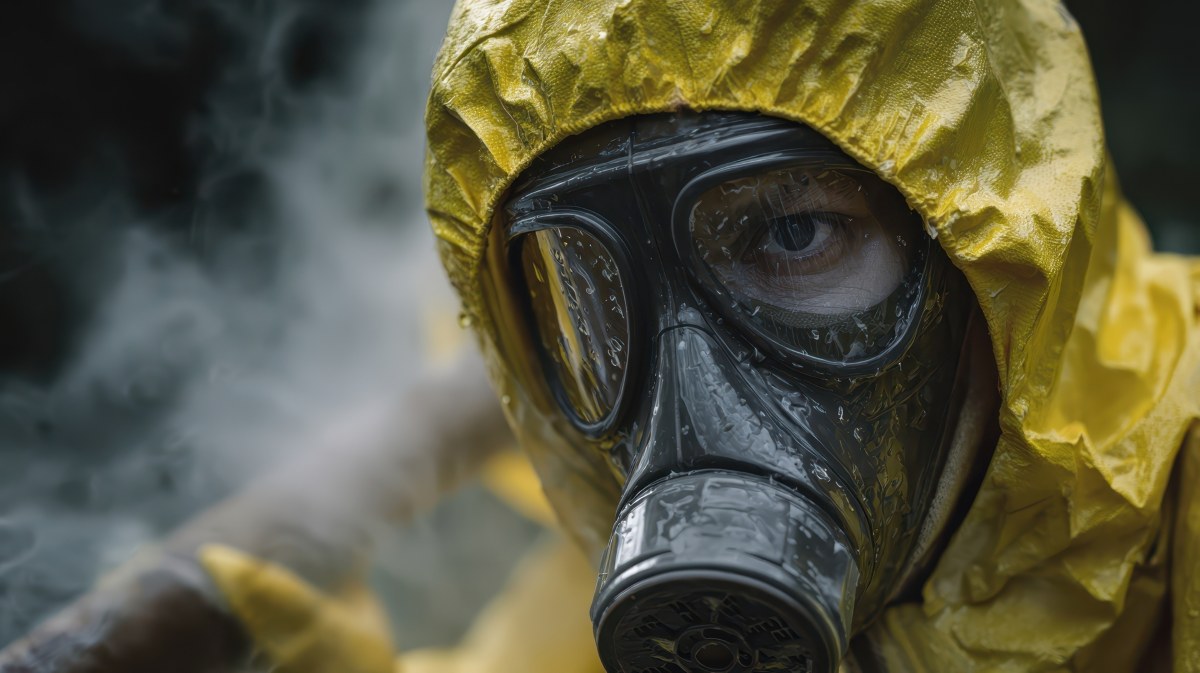
Beyond mechanical damage, bird droppings carry pathogens that can affect your family's wellbeing. When droppings dry out, microscopic particles become airborne and can be drawn into your AC system.
These particles may contain bacteria, fungi, and parasites that cause respiratory issues, especially in people with asthma or compromised immune systems. Histoplasmosis, a lung infection caused by fungus in bird droppings, is one such concern that develops when spores are inhaled.
Your air conditioning system circulates air throughout your home. If contaminated droppings are present on or near the unit, you're potentially distributing these harmful particles to every room. This is why addressing bird activity around your AC isn't just about protecting the equipment; it's about safeguarding your health.
Reduced Energy Efficiency and Higher Bills
When bird droppings interfere with your AC's performance, you'll likely notice the impact on your energy bills. A unit that can't transfer heat efficiently must run longer and work harder to maintain your desired temperature.
Studies suggest that even minor blockages or coating on condenser coils can reduce efficiency by 10 to 15 percent. That might not sound dramatic, but it translates to significantly higher operating costs over a cooling season. You're essentially paying more money for less comfort.
The compressor bears the brunt of this inefficiency. As the heart of your AC system, it's also the most expensive component to replace. Overworking it due to bird-related issues can shorten its operational life considerably.
Protecting Your Investment
Preventing bird damage doesn't have to be complicated. Installing protective mesh screens around your outdoor unit creates a barrier whilst still allowing proper airflow. Regular inspections help you spot problems early, before they escalate into major repairs.
Consider scheduling professional maintenance at least once yearly. Technicians can clean the coils, check for corrosion, and ensure all components are functioning properly. They'll also identify any bird activity that needs addressing.
For persistent bird problems, professional bird-proofing services offer long-term solutions. These specialists - like us - can install deterrents like netting or cruelty-free spikes that prevent birds from accessing your AC unit without harming them.
Taking Action Before Problems Develop
Your air conditioning system represents a significant investment in your home's comfort. Don't let something as preventable as bird droppings compromise its performance or longevity. Regular cleaning, protective measures, and professional maintenance will keep your unit running efficiently for years to come whilst protecting your family's health.