12 Jan 2026 | Apex Environmental Services (UK) Ltd
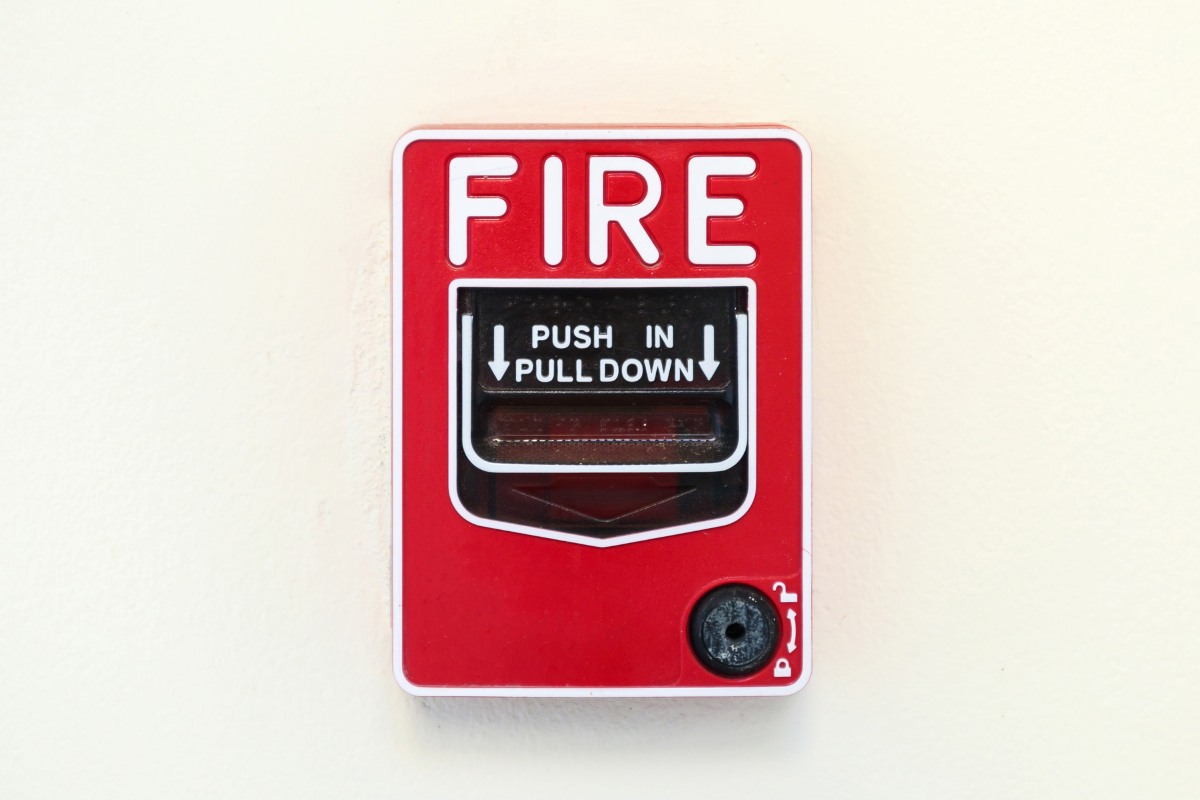
How Bird Nests Create Fire Hazards
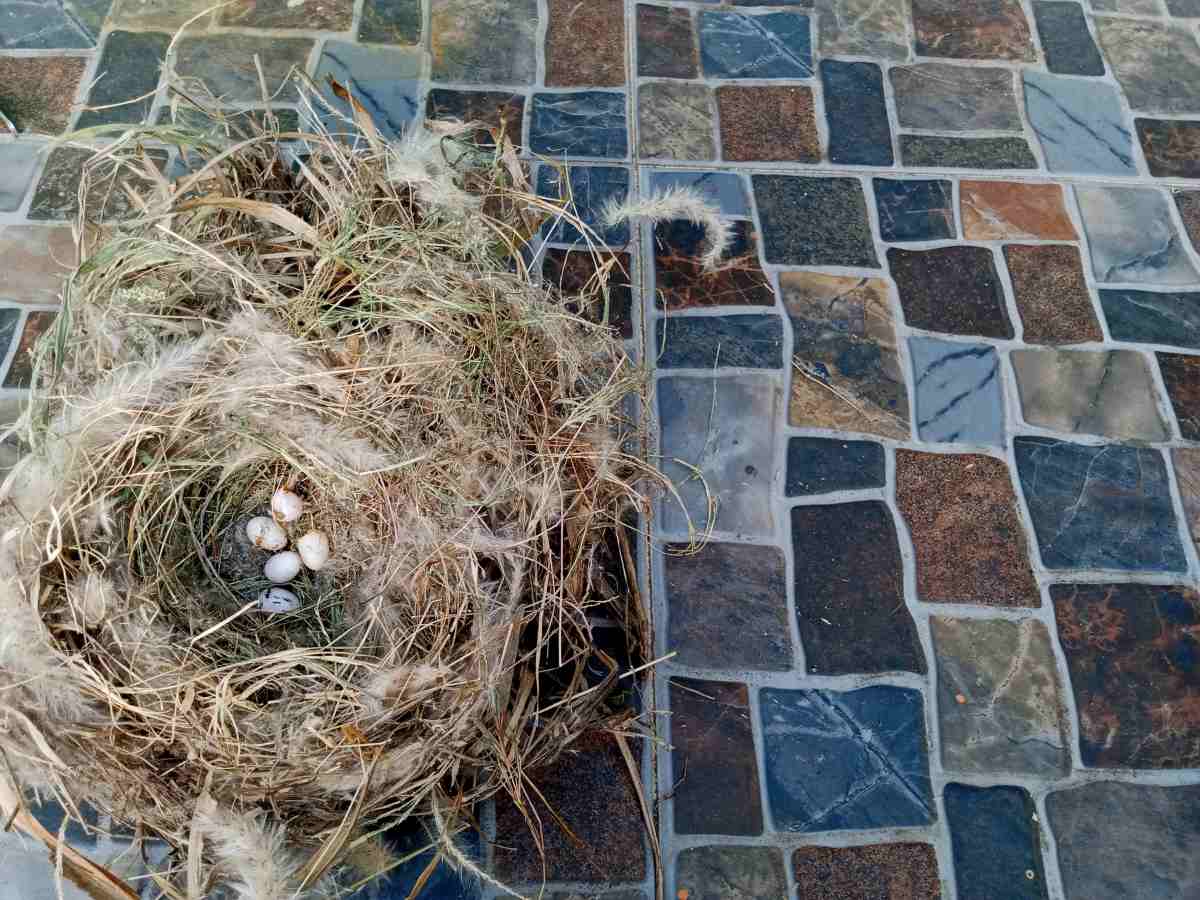
When you think about fire hazards in your home, bird nests probably aren't the first thing that springs to mind. But here's the thing: birds love nesting in some of the worst possible spots - chimneys, dryer vents, roof cavities - and all that dry grass and twiggy debris? It's basically kindling waiting for a spark.
If you've got birds setting up shop in your vents or around electrical fixtures, you're looking at a genuine fire risk. And it's not just about the nest materials being flammable (though they absolutely are). It's about blocked ventilation, overheating equipment, and carbon monoxide that can't escape. Let's break down why bird nests are more dangerous than most homeowners realise.
Why Do Bird Nests Cause Fires?
The main issue is location. Birds aren't exactly picky about where they build - they just want somewhere warm, sheltered, and relatively safe from predators. Unfortunately, that often means chimneys, exhaust vents, and spaces near heating systems.
The materials themselves are a problem too. Dry twigs, moss, feathers, bits of paper - it's all extremely flammable. One spark from a chimney fire or a faulty wire and the whole thing goes up.
Chimneys are probably the worst offenders. When birds block a chimney with nesting material, dangerous gases like carbon monoxide get trapped in your home instead of venting outside. And if you light a fire without realising there's a nest up there? That nest is going to ignite, potentially causing a chimney fire that spreads to your roof.
Dryer vents are another hot spot (pun intended). Birds nest in the warm vent openings, blocking airflow. Your dryer overheats, the lint builds up, and suddenly you've got all the ingredients for a house fire. Fire safety reports link thousands of annual house fires to blocked dryer vents, with bird nests being a major cause.
Where Do Birds Typically Build Dangerous Nests?
Jackdaws are infamous for dropping sticks down chimney pots until they've essentially built a tower of twigs inside your flue. It's impressive engineering, terrible for fire safety. Once that chimney's blocked, you can't use your fireplace safely, and many people don't realise there's a blockage until smoke starts pouring back into their living room.
Roof vents and soffits are equally popular with nesting birds. They offer shelter and warmth, but they're also close to insulation and electrical wiring. Not ideal when you're dealing with flammable nesting materials.
Solar panels have created a whole new nesting opportunity. Birds love the protected space underneath the panels - it's warm, dry, and predator-free. The problem is they're nesting directly above your roof, often near wiring. One pecked cable or damaged connection and you're looking at an electrical fire.
Air conditioning units and extractor fans round out the list. Birds block the ventilation, the unit overheats, and you've got overheating equipment sitting next to highly flammable twigs and grass. It doesn't take much to go from "annoying bird problem" to "call the fire brigade."
How Can I Prevent Birds from Nesting in Dangerous Areas?
Prevention is way easier than dealing with an established nest, especially since it's illegal to disturb active nests in the UK. The key is acting before the nesting season kicks off, which is typically March through August.
Bird netting works brilliantly. It creates a physical barrier that keeps birds out without harming them. Professional anti-bird netting can protect solar panels, roof spaces, and building facades, and it's one of those solutions that just works.
Chimney caps and vent covers are non-negotiable if you want to avoid nest-related fires. A mesh guard over your chimney stops birds getting in while still letting smoke escape. Same principle for dryer vents and extractor fans - a simple mesh cover costs almost nothing but saves you from potentially catastrophic fire damage.
Regular inspections matter more than you'd think. Check your roof, chimneys, and vents before nesting season starts. If you spot birds scoping out potential nest sites early, you can take action before they've laid eggs and the whole situation becomes legally protected.
What Should I Do if I Discover a Nest Near a Fire Hazard?
Don't touch it if it's active. Under the Wildlife and Countryside Act 1981, disturbing nesting birds is illegal - we're talking fines and potential criminal charges. But if the nest poses immediate fire danger, contact a licensed pest control professional who can assess the situation and advise on next steps.
For inactive nests (outside breeding season), you can remove them yourself. Wear gloves and a dust mask because bird nests are absolutely crawling with parasites, bacteria, and fungal spores. Bag everything up, seal it, bin it, then disinfect the area thoroughly.
Here's the key bit: install preventative measures immediately after removal. Birds return to successful nesting sites year after year. If you don't block access, you'll be dealing with the same problem next spring.
The dangers of bird infestation go beyond fire risks. You're also looking at structural damage, health hazards from droppings, contaminated water systems - the works. Sorting out bird control now protects both your property and everyone in it.
Can Bird Nests Damage Electrical Systems?
Completely. Birds don't distinguish between "safe nesting spot" and "junction box that could electrocute me." They'll build on top of electrical units, inside light fixtures, around outdoor equipment - anywhere that seems remotely suitable.
The danger comes from nesting material creating bridges between electrical connections or blocking ventilation for electrical equipment. When airflow gets blocked, components overheat. Insulation melts, wires short circuit, and if there's flammable nest material right there when it happens? That's your house fire.
Outdoor security lights and CCTV cameras get targeted constantly. Birds nest in and around the fixtures, causing electrical failures or - worst case - sparks that ignite the nest material. It's not common, but when it happens, it's devastating.
FAQs
How often should I check for bird nests?
Twice a year minimum - early spring before nesting season and autumn after it's finished. If your property backs onto woodland or water, check more frequently.
Are certain bird species more dangerous than others?
Jackdaws are chimney-blocking specialists. Starlings love them too. Pigeons go for ledges and soffits. House sparrows aren't fussy - they'll nest in air vents, roof cavities, basically anywhere.
Can I remove a bird nest myself?
Only if it's inactive. No eggs, no chicks. Active nests are legally protected, full stop. Always wear gloves and a mask, and consider calling professionals for large or awkwardly positioned nests.
Do bird deterrents actually work?
Professional deterrents like netting, spikes, and mesh guards absolutely work when installed properly. Those cheap visual deterrents - fake owls, reflective tape - rarely provide long-term solutions. Birds aren't stupid.
What's the penalty for disturbing an active nest?
Unlimited fines and up to six months in prison under UK wildlife protection laws. If you're unsure whether a nest is active, get professional advice. It's not worth the risk.