24 May 2026 | Apex Environmental Services (UK) Ltd
How to Safely Remove Birds from Vents
A bird nesting in your vent system can feel oddly harmless at first. You hear faint chirping behind a bathroom extractor fan, notice twigs protruding from a dryer vent, or spot pigeons repeatedly landing near a rooftop exhaust. It is easy to assume they will eventually leave on their own.
The problem is that vents provide exactly what many urban bird species are searching for: warmth, shelter, elevation, and protection from predators. Once a bird identifies a vent as a viable nesting location, the situation can escalate surprisingly quickly. What begins as a few strands of grass can become a densely packed nest that restricts airflow, traps moisture, spreads parasites, and creates a significant fire risk.
The challenge is removing the birds safely without harming them, damaging the ventilation system, or accidentally breaking wildlife protection laws. Bird removal is not simply about getting animals out of a confined space. You have to understand why they are there in the first place and how to prevent them from returning once the vent has been cleared.
Why do birds nest inside vents?
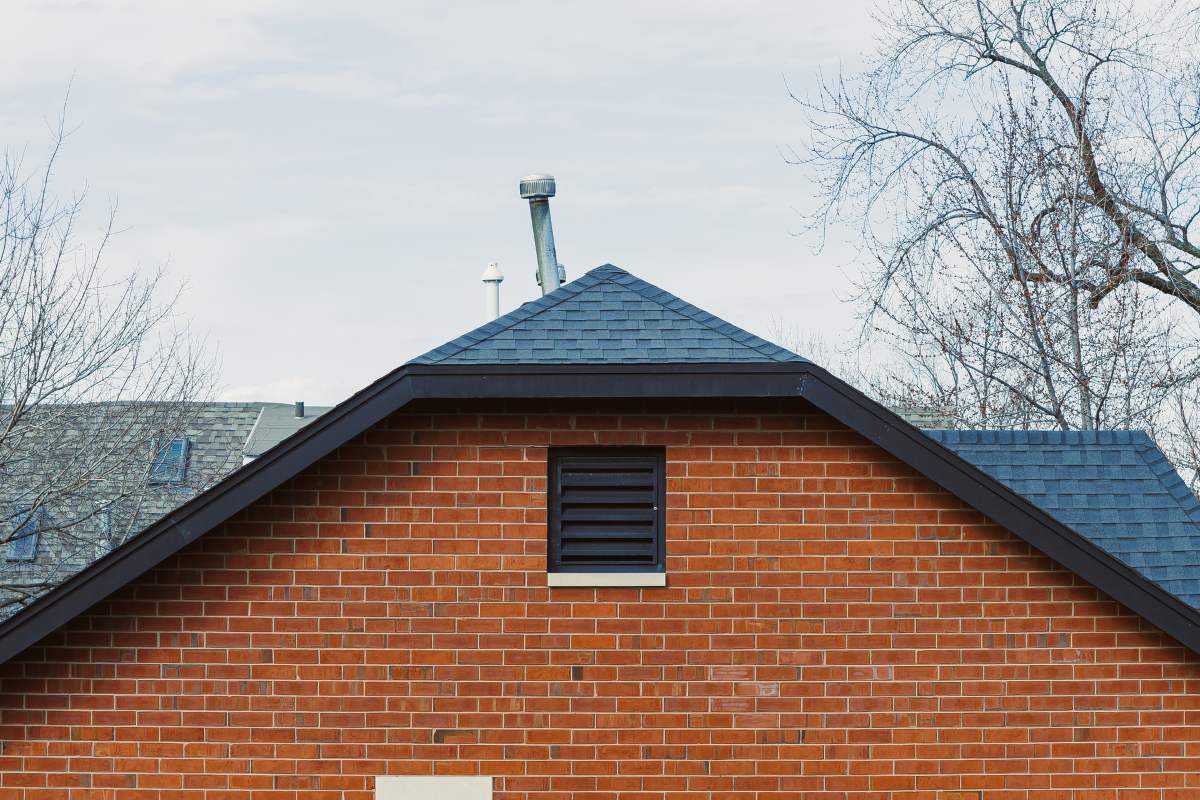
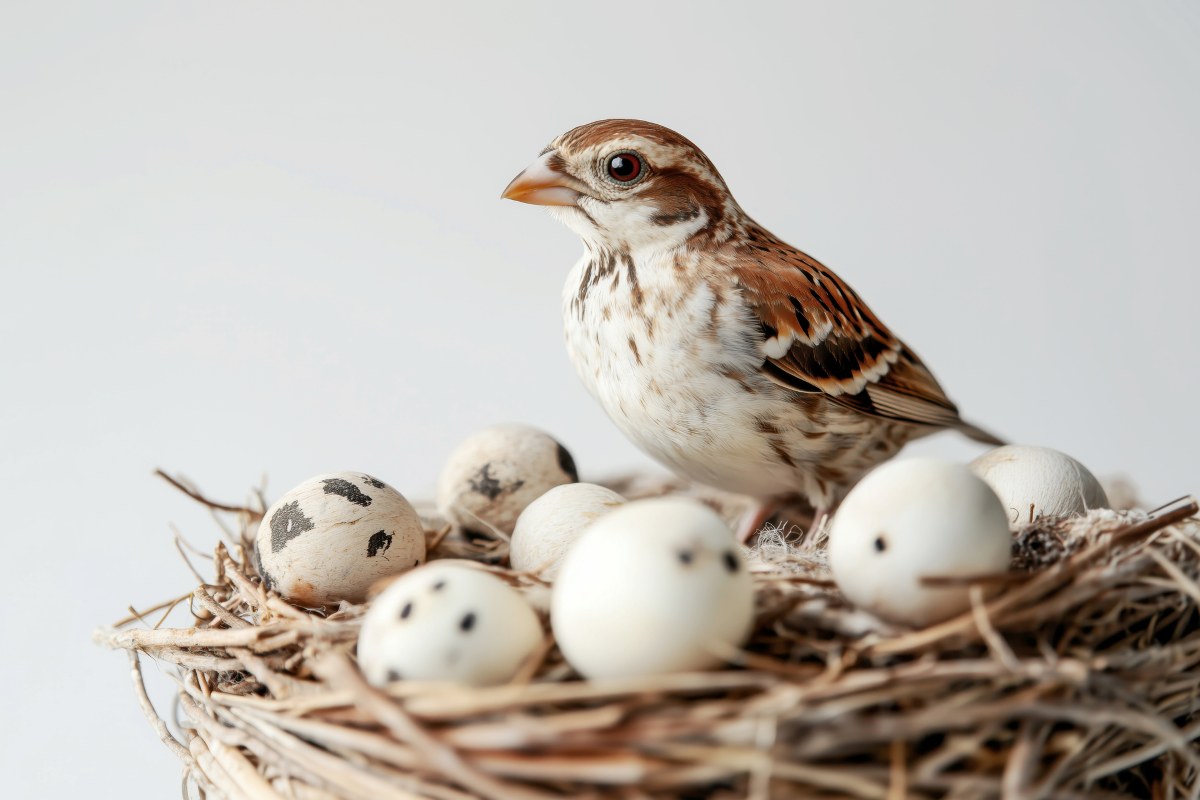
From a bird’s perspective, a vent resembles a natural cavity nesting site. Species such as starlings, sparrows, and pigeons instinctively seek enclosed, elevated spaces where eggs and chicks can remain protected from predators and harsh weather. Exhaust vents, dryer ducts, and rooftop ventilation systems mimic these conditions remarkably well.
Dryer vents are particularly attractive because they remain warm for long periods. Bathroom and kitchen vents also provide consistent shelter with relatively little human disturbance. Once nesting material begins accumulating inside the ductwork, birds often return repeatedly to reinforce the nest and establish the area as a long-term roosting point.
This is one reason preventative proofing matters so much. By the time you notice visible activity, the birds may already consider the vent an established nesting site.
What are the risks of birds inside ventilation systems?
The most immediate concern is obstruction. Nests restrict airflow, which can cause overheating, moisture build-up, and reduced efficiency in extractor systems and dryers. In dryer vents specifically, nesting material combined with lint creates an extremely combustible environment.
There is also the hygiene issue. Bird droppings, feathers, and nesting debris can contain bacteria, fungal spores, and parasites. Disturbing a nest without appropriate protection can aerosolise contaminated dust particles into the surrounding air.
Then there is the welfare aspect. Young birds can become trapped deep inside vent systems, particularly if nesting material collapses or airflow changes suddenly. Poorly designed DIY removal attempts sometimes injure chicks or separate them from the parent birds entirely.
The objective should always be humane exclusion rather than aggressive removal.
Can you remove birds from vents yourself?
Technically, yes. Practically, it depends entirely on the situation.
If the nest is inactive and located near the vent opening, careful removal may be possible. But people often underestimate:
- how deep nests extend
- how fragile vent systems can be
- the legal protections surrounding active nests
- the health hazards associated with droppings and mites
An active nest containing eggs or chicks should never be disturbed casually. Many bird species are protected during nesting season under UK wildlife legislation. Removing an occupied nest without proper assessment can create serious legal and ethical problems.
In this case, professional intervention is essential. A specialist assessment can identify:
- whether the nest is active
- which species is involved
- the safest timing for removal
- whether exclusion measures can be installed immediately
Without that knowledge, people frequently create a larger problem than the one they started with.
Are there legal restrictions on removing birds from vents?
Yes, and this is where many well-intentioned DIY removal attempts become problematic.
Under the Wildlife and Countryside Act 1981, it is illegal in the UK to intentionally damage or destroy an active nest while it is in use or being built. This protection applies to most wild bird species commonly found nesting in vents, including starlings and sparrows. If eggs or dependent chicks are present, disturbing the nest can constitute a criminal offence.
The complication is that active nests are not always obvious from the outside. A vent may appear quiet during the day while adult birds are temporarily away feeding. People often remove covers or extract nesting material without realising there are chicks deeper within the ducting system.
This is why timing matters so much. Humane bird management is not about removing wildlife indiscriminately; it is about resolving the issue in a way that remains lawful, safe, and proportionate. In many cases, the correct approach is to wait until fledglings have naturally left the nest before carrying out removal and installing preventative proofing measures.
Professional bird control specialists understand how to assess nesting activity correctly and can advise on the safest legal course of action before any work begins.
How should birds be removed safely?
The first step is always to stop using the affected ventilation system where possible. Running a dryer or extractor fan while birds are nesting inside can injure the animals and worsen any obstruction within the ducting.
After that, the process becomes highly situational.
If the nest is inactive:
- the vent cover can be removed carefully
- nesting material should be extracted slowly
- debris should never be pushed deeper into the duct
- contaminated areas should be sanitised thoroughly
- the full ventilation line should be inspected for remaining blockages
Protective equipment matters here. Gloves, respiratory protection, and controlled cleaning methods help reduce exposure to airborne contaminants and parasites.
If the nest is active, removal may need to wait until fledglings have naturally left the nest. Humane bird control is not about forcibly evicting wildlife at the first inconvenience. It is about resolving conflict responsibly while minimising harm to both birds and property.
This is one reason many property owners eventually move away from reactive approaches and instead focus on long-term exclusion systems and preventative maintenance.
Why do birds keep returning after removal?
Because the vent still satisfies their biological needs.
Birds possess strong site fidelity, meaning they return repeatedly to locations they perceive as safe nesting territory. If you simply clear the nest but leave the vent exposed, another bird will often occupy the same space within weeks.
This is why temporary deterrents rarely work for long. Reflective tape, plastic predators, or makeshift barriers may interrupt activity briefly, but intelligent urban birds adapt quickly once they realise the threat is not genuine.
Long-term prevention requires physical exclusion.
Proper vent guards, exclusion mesh, and professionally installed proofing systems physically remove access to the cavity without harming the animals. More comprehensive protection often involves installing durable bird-proof nets for commercial and residential properties around vulnerable roof structures and ventilation zones where repeated nesting pressure occurs.
The goal is not to punish birds for adapting to urban environments. It is simply to redirect them away from dangerous or unsuitable nesting locations.
Are pigeons more difficult to remove from vents?
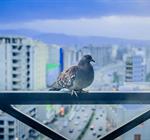
Pigeons create a slightly different challenge because they tend to establish stronger territorial attachment to buildings over time. Once pigeons begin roosting near ventilation systems, they often return season after season unless the wider access points around the structure are addressed properly.
This is why isolated fixes rarely solve pigeon issues permanently. If the building itself continues providing attractive shelter opportunities, displacement simply moves the activity elsewhere.
You often need a variety of safe ways to get rid of pigeons; approaches that focus on exclusion, habitat modification, and long-term proofing rather than repeated disturbance.
Why prevention is always the better option
The safest bird removal is the one you never need to perform.
Once birds enter vent systems, the situation immediately becomes more complicated:
- there are welfare considerations
- legal protections
- contamination risks
- fire hazards
- access challenges
- structural concerns
Preventative proofing avoids all of that before the nesting cycle begins.
Professionally installed exclusion systems allow buildings to remain functional without creating unsafe conditions for birds or people. Proper proofing also reduces the likelihood of chicks becoming trapped inside ductwork, which is an often-overlooked welfare issue in poorly maintained ventilation systems.
The best bird control strategies are not hostile. They are preventative, humane, and designed around understanding bird behaviour rather than fighting against it.