27 Mar 2026 | Apex Environmental Services (UK) Ltd
Understanding Bird Behaviour for Effective Control
Most people view bird infestations as a structural nuisance, a simple matter of droppings on a ledge or noise on a rooftop. If you treat pest birds as mere static objects, you will lose every time. These creatures are highly intelligent, adaptive, and driven by deeply ingrained biological imperatives. When you stop looking at them as pests and start viewing them as clever adversaries, you finally stand a chance of reclaiming your property.
Effective management is not about brute force; it is about outsmarting the biological clock and the social hierarchy of the flock. You have to understand why they are there before you can convince them to leave.
Why do birds keep returning to the same building?
Birds are not random wanderers. They operate on a strict set of priorities: food, water, and shelter. If your building provides a secure nesting site or a vantage point with a clear line of sight, you have created a five-star hotel for local populations. Pigeons, for instance, are cliff-dwelling birds by nature. They view your building’s architecture as a modern version of a rocky precipice.
The birds return because they possess strong site fidelity. Once a bird has successfully raised a brood in a specific nook or cranny, that location becomes its home base. They carry a mental map of their environment and recognize the structural nuances of your property. If you try to deter them with temporary fixes, you are simply playing a game of musical chairs. They will wait for the obstruction to fail or find the nearest available opening, because their drive to return to a known, safe territory outweighs their fear of minor inconveniences.
How can I identify the specific pest species?
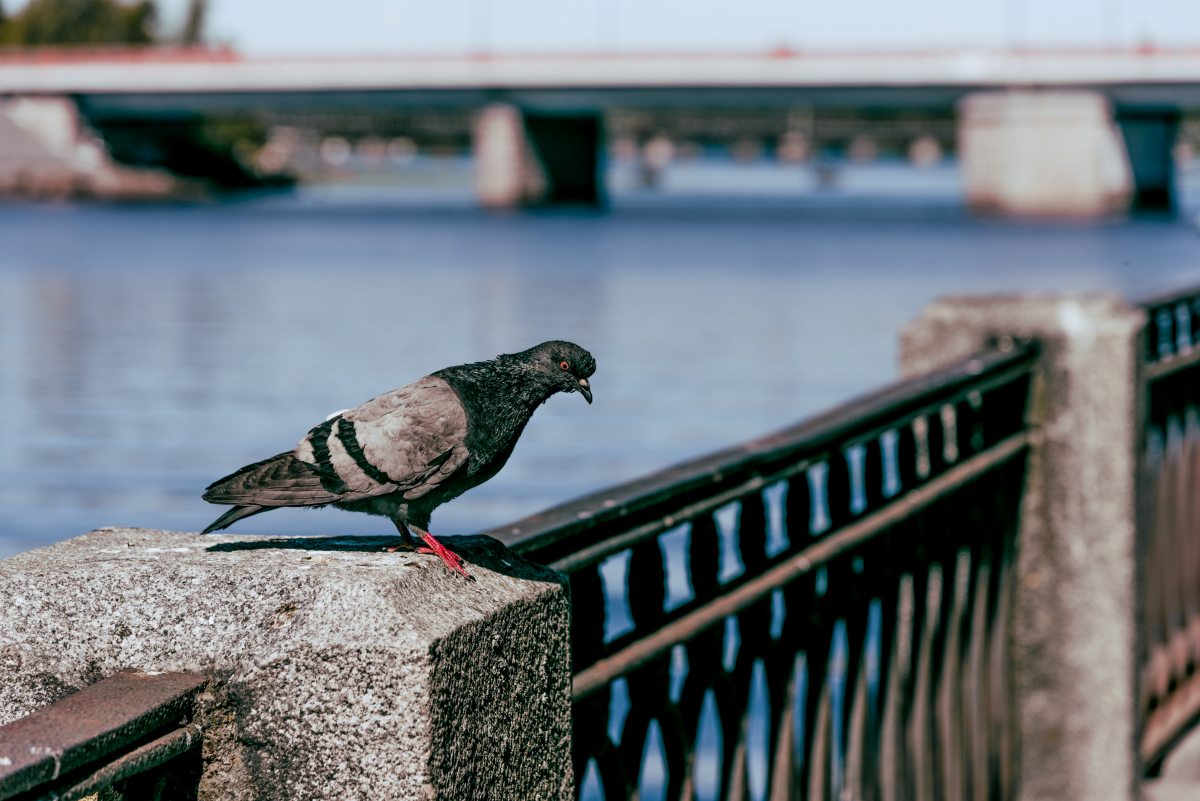
Before you install a single deterrent, you must identify your tenant. A seagull requires a vastly different strategy than a pigeon or a starling. Starlings are acrobats; they can squeeze through remarkably small gaps that would stop a pigeon cold. If you use a deterrent designed for larger birds on a starling infestation, you are wasting your resources.
Observe the timing of their activity. Are they there to roost overnight, or are they feeding during the day? Diurnal patterns reveal their intent. If they are nesting, you have a long-term residency problem. If they are merely perching, you are likely dealing with a bird that is using your ledge as a lookout point to survey the surrounding area for food. Identifying these patterns allows you to deploy targeted solutions rather than hoping a generic deterrent will magically solve the issue. You have to be precise, because birds are masters at exploiting the slightest oversight in your defense.
Does bird behaviour dictate the best deterrent?
You cannot rely on a one-size-fits-all approach. If you are dealing with birds that are already habituated to human presence, they will quickly learn that basic scare tactics like plastic owls or reflective tape are harmless. They habituate rapidly to threats that do not cause them actual harm. This is why professional solutions rely on physical exclusion and the systematic removal of the motivation to stay.
When the goal is permanent exclusion, you need to change the physical environment so it no longer satisfies their biological requirements. This is where Apex Bird Control anti-bird netting services become indispensable. Netting creates a physical barrier that removes the possibility of landing or nesting without harming the animal. It respects their biology by simply saying no.
Understanding the common problems caused by pest birds reveals that the damage goes beyond aesthetics. Acidic droppings erode stone and metal, while nesting materials clog gutters and bring fire risks to HVAC systems. You have to prioritize the structural integrity of your building as much as the cleanliness of its exterior.
How do birds adapt to my control methods?
Birds are constant learners. If you install a ledge deterrent that is poorly fitted, they will simply learn to perch on the edge of the device itself. If the deterrent has gaps or weak points, they will find them. They observe the movement of people and the placement of traps with a suspicious, analytical eye.
This is why consistency is your greatest asset. If you leave a gap in a line of spikes or a sag in a net, the birds will identify that flaw within hours. They communicate; if one bird discovers a safe way to bypass your system, others will follow. You are not fighting a static problem. You are in an arms race with an animal that has been evolving for millions of years to survive in challenging environments.
When you decide to act, be thorough. Seal the gaps, use the right tension on your exclusion materials, and monitor the results for the first few weeks. If you see them testing the boundaries of your new system, do not wait for them to find a way through. Reinforce the weak points immediately. By anticipating their next move rather than just reacting to the mess they leave behind, you move from losing the battle to winning the war. They are clever, yes, but they are also predictable if you know how to look at the world from their perspective.