01 Dec 2025 | Apex Environmental Services (UK) Ltd
When Can I Remove a Bird's Nest? Bird Nest Removal Laws in the UK
Found a bird's nest on your property? Before you reach for that ladder, you need to know the rules. The UK has pretty strict laws about this stuff, and getting it wrong could land you in trouble.
The Short Answer
You generally can't remove an active bird's nest. Full stop.
If there are eggs or chicks in there, or if birds are actively using it, it's protected by law. The Wildlife and Countryside Act 1981 makes it illegal to intentionally damage or destroy the nest of any wild bird while it's being built or in use. There are fines involved. We're talking potentially unlimited fines if you end up in court.
But here's where it gets a bit more nuanced.
When Nests Are Actually Protected
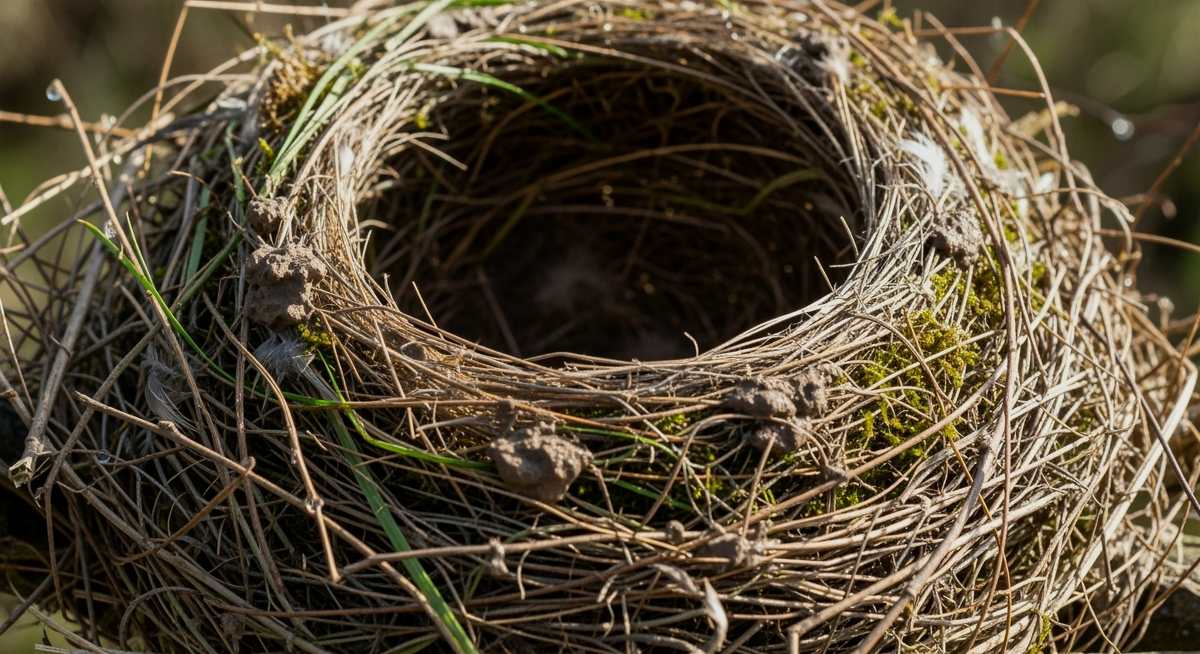
Active nests are the main issue. That means if there are eggs in the nest, or baby birds, or if the parents are still actively building it, you need to leave it alone. Once the birds have fledged (that's when the young birds have left and aren't coming back), the nest is no longer protected.
Most birds don't reuse their nests anyway. They'll build fresh ones each breeding season, so that old nest sitting empty in your guttering? Probably fine to remove once you're certain it's abandoned.
Timing matters here: nesting season in the UK typically runs from March through August, though some species start earlier or finish later. Pigeons, for instance, are basically nesting year-round because they're overachievers like that.
The Exception: When You Can Remove a Nest
If there's a genuine health and safety risk, you might have grounds to remove a nest even during breeding season. Think structural damage to your property, or a nest that's blocking essential ventilation. But you can't just decide this yourself - you'll need to apply for a licence from Natural England (or the equivalent body in Scotland, Wales, or Northern Ireland).
The licence isn't automatic, though; you need to prove that there's no reasonable alternative and that the situation genuinely warrants intervention.
What About Different Bird Species?
Most common garden birds fall under the same basic protections. Robins, blackbirds, sparrows - all protected when nesting.
Some species get extra protection though: birds of prey, barn owls, and Schedule 1 birds (rare or particularly vulnerable species) are protected year-round, not just when nesting. You can't disturb them at all without a licence, even if there's no nest involved.
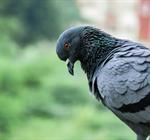
Pigeons are the odd ones out. Feral pigeons aren't protected in the same way, which is why you see more aggressive control measures used for them in urban areas. But even then, if they're actively nesting, you're supposed to wait until they're done.
The Safest Approach
Wait. Just wait it out.
Most birds only nest for a few weeks. The eggs hatch, the chicks grow, they leave. It's not forever. Yes, it's inconvenient if they've chosen your preferred parking spot or the vent you need to access, but a few weeks usually isn't the end of the world.
Once the nest is definitely abandoned - you've not seen any activity for days, the young have clearly left - you can remove it. Then take steps to prevent the same thing happening next year. Humane bird control measures like netting or spikes installed outside of nesting season can stop birds from accessing those spots in the first place.
Prevention Is Better Than Removal
If you've had nesting issues before, sort it out in autumn or winter. That's when you can safely install deterrents without worrying about disturbing anything.
Block access points to lofts and roof spaces. Install netting over areas where birds like to nest. Use spikes on ledges where pigeons congregate. All of this is perfectly legal when there are no active nests about.
The key is thinking ahead. Once spring arrives and birds start pairing up and scouting locations, your options become extremely limited.
What If You've Already Removed One?
If you've already removed an active nest without realising the legal situation, don't panic. It's done now. But definitely don't do it again - now you know.
If anyone reports it, you could technically face prosecution, though in practice, minor incidents without deliberate harm often don't result in legal action. That said, it's not worth the risk. The law exists for good reason - bird populations are under enough pressure as it is.
Getting Professional Help
Not sure if a nest is active? Can't tell if the birds are done? Call someone who knows what they're looking at.
Pest control companies that specialise in birds understand the legislation and can advise on the best course of action. They can tell you whether that nest in your loft is actually in use or if it's safe to remove. Some will remove abandoned nests and install preventative measures at the same time.
Trying to DIY this when you're not certain is risky. Better to pay for expert advice than pay a fine later.
The Bottom Line
Can you remove a bird's nest? Sometimes, but probably not when you want to. If it's active, the answer is almost certainly no. If it's abandoned and it's outside nesting season, go ahead. And if you're not sure? Get someone qualified to have a look before you touch anything.
The birds will be gone soon enough anyway - they've got their own schedules to keep!