25 Jun 2026 | Apex Environmental Services (UK) Ltd
How to Keep Birds Away from Your Balcony
A balcony can feel like a small luxury in a bustling city or town. It is a place to enjoy a morning coffee, grow a few plants, or simply get some fresh air without leaving home. Unfortunately, birds often view balconies rather differently.
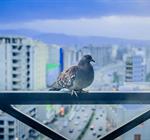
To a pigeon, starling, or sparrow, your balcony is not an outdoor living space. It is a sheltered ledge, elevated above predators, protected from the weather, and often close to reliable food sources. In other words, it looks remarkably similar to the natural environments many birds are instinctively drawn towards.
Once birds begin using a balcony regularly, the situation can escalate quickly. A few droppings on the railing can turn into nesting activity, persistent noise, blocked drainage, and an ongoing cleaning battle. The good news is that keeping birds away from your balcony does not require harmful deterrents or drastic measures. In most cases, understanding why birds are there is the first step towards encouraging them to move elsewhere.
Why are birds attracted to balconies?
Birds are constantly searching for three things: food, shelter, and safety.
Many balconies inadvertently provide all three. Overhanging roofs offer protection from rain and wind. Plant pots create concealed nesting opportunities. Outdoor furniture provides convenient perches. Even small amounts of food debris can encourage repeat visits.
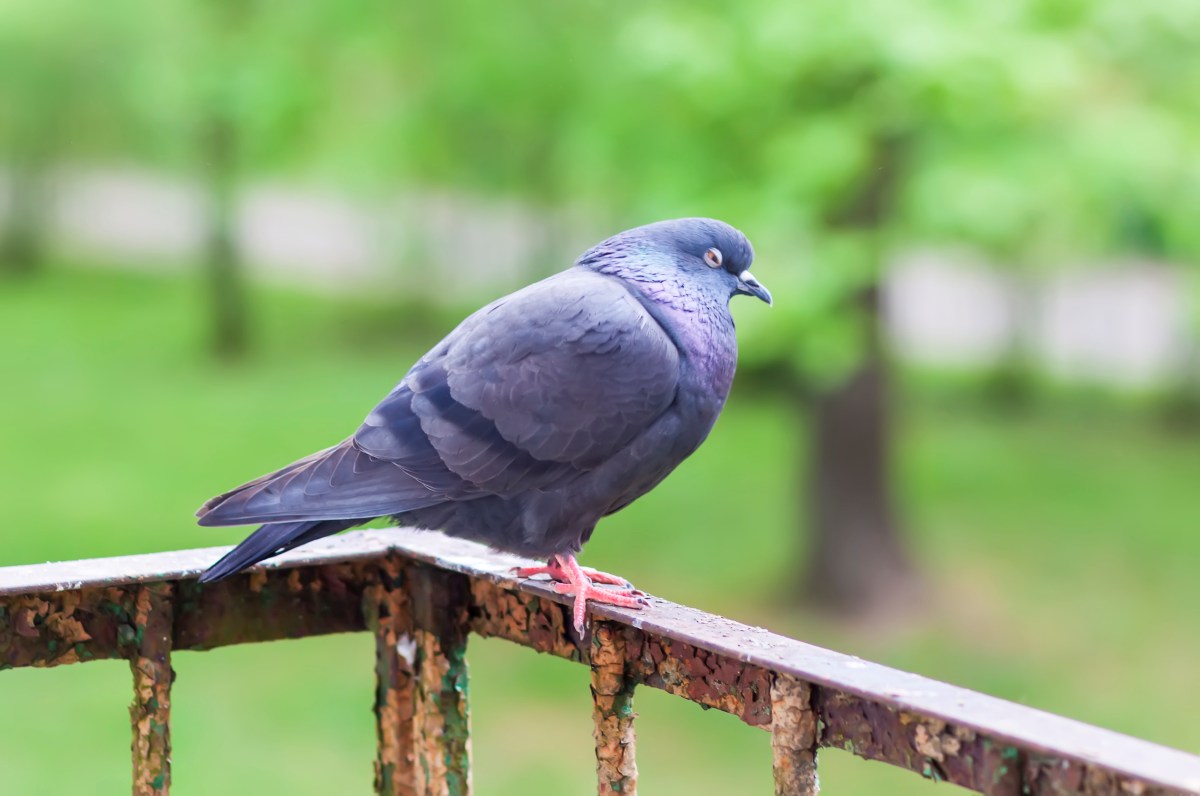
Pigeons are particularly attracted to balconies because they naturally prefer elevated ledges that mimic the cliff faces their ancestors nested upon. Modern buildings provide countless artificial alternatives, and balconies often sit near the top of their list.
The more comfortable a balcony becomes for birds, the more likely they are to return. Once nesting behaviour begins, their attachment to the location typically strengthens considerably.
Why should you act early?
Many property owners ignore occasional bird visits because they appear harmless. The problem is that birds are creatures of habit.
A pigeon that successfully roosts on a balcony today may return tomorrow. If it remains undisturbed, other birds often follow. Before long, what began as an occasional visitor can become an established roosting site.
Early intervention is almost always easier than dealing with a fully established nesting area. It reduces cleaning costs, prevents property damage, and avoids situations where active nests may require careful management under wildlife legislation.
Perhaps most importantly, it prevents birds from becoming dependent on a location that may ultimately prove unsuitable for raising young.
Which balcony features attract nesting birds?
Certain features make balconies particularly appealing.
Dense planters are one of the most common examples. While attractive for residents, they can provide excellent concealment for nesting materials. Unused storage boxes, covered corners, and sheltered recesses can serve a similar purpose.
Water sources also play a role. Overflowing plant trays, decorative water features, and even consistently damp areas can encourage birds to remain nearby.
Regular cleaning and maintenance help reduce these attractions. A tidy balcony presents fewer opportunities for birds to establish themselves in the first place.
Do visual deterrents actually work?
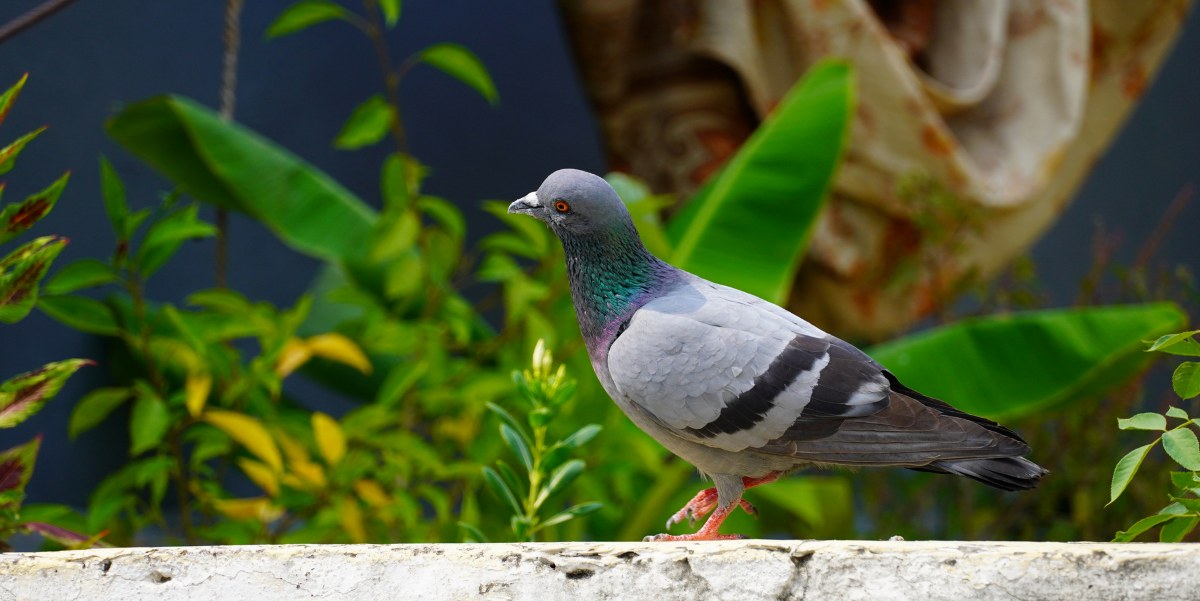
Many people start with visual deterrents because they are inexpensive and widely available.
Reflective surfaces, moving objects, predator silhouettes, and other scare devices can sometimes discourage birds temporarily. The key word is temporarily.
Birds are highly adaptable. If a deterrent does not present a genuine threat, they quickly learn to ignore it. A reflective spinner that appears effective during the first week may become little more than part of the scenery by the second.
This does not mean visual deterrents have no value. They can help discourage occasional visitors and may work well when combined with other preventative measures. However, they rarely provide a permanent solution when birds have already identified a balcony as desirable territory.
How can you make your balcony less appealing?
The most effective approach is often environmental modification rather than active deterrence.
Remove food sources wherever possible. Avoid leaving pet food outdoors and clear away crumbs or leftovers promptly. Secure rubbish containers and keep eating areas clean.
Reduce potential nesting opportunities by limiting access to sheltered corners and enclosed spaces. If birds repeatedly perch on a particular ledge or railing, consider whether physical changes can make that location less attractive.
The objective is not to create a hostile environment. It is simply to remove the features that encourage birds to stay.
When a balcony no longer provides food, shelter, or nesting opportunities, most birds will naturally seek alternatives elsewhere.
What if birds have already started nesting?
This is where caution becomes important.
If birds are actively building a nest or have already laid eggs, you should avoid disturbing them without first understanding your legal obligations. In the UK, active nests are protected under the Wildlife and Countryside Act 1981, meaning deliberate disturbance or destruction can be unlawful in many circumstances.
Many people assume a nest can simply be removed as soon as it appears. In reality, determining whether a nest is active is not always straightforward. Adult birds may leave for extended periods while feeding, making an occupied nest appear abandoned.
Where nesting activity is present, professional advice is often the safest option. Humane bird management focuses on resolving the issue responsibly while ensuring birds are not harmed unnecessarily.
When are physical barriers the best solution?
Physical exclusion - typical anti-bird netting - remains the most reliable long-term strategy.
Unlike visual deterrents, properly installed barriers do not rely on frightening birds away. Instead, they remove access to the areas birds want to use. Where repeated bird activity occurs year after year, such as in apartment blocks, commercial buildings, and residential developments, physical barriers provide the ideal solution.
What is anti-bird netting? It’s the easiest, most common physical bird deterrent - and the most humane. Typically, you place this netting above the balcony, supported by your wall or fence, so you can still use your balcony without disruption. Ultimately, anti-bird netting provides the best of both worlds: no birds on your balcony, and no harm to any birds that may try.
When installed correctly, netting prevents birds from accessing balconies, recesses, and other vulnerable spaces without causing injury. Rather than creating conflict between people and wildlife, it simply establishes clear boundaries.
For larger properties or buildings experiencing persistent bird pressure, professionally installed bespoke bird netting for long-term property protection can provide an effective and humane solution that remains reliable for many years.
Why humane prevention works best
There is a tendency to view bird control as a battle between property owners and wildlife. In reality, the most successful solutions recognise that birds are simply responding to environmental opportunities.
A balcony offers shelter, safety, and elevated nesting space. Birds are not choosing the location to create problems; they are following instincts that have helped them survive for generations.
The goal should never be to punish birds for behaving naturally. Instead, effective bird management focuses on removing access to unsuitable locations and encouraging birds to establish themselves elsewhere.
When approached this way, everybody benefits. You can enjoy a cleaner, quieter balcony, while birds avoid becoming dependent on spaces where they may later face disturbance or exclusion. It is a practical, humane approach that addresses the root cause of the problem rather than merely reacting to the symptoms.