27 Feb 2026 | Apex Environmental Services (UK) Ltd
Why Bird Prevention is Better Than Clean-Up
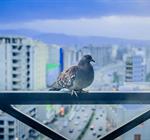
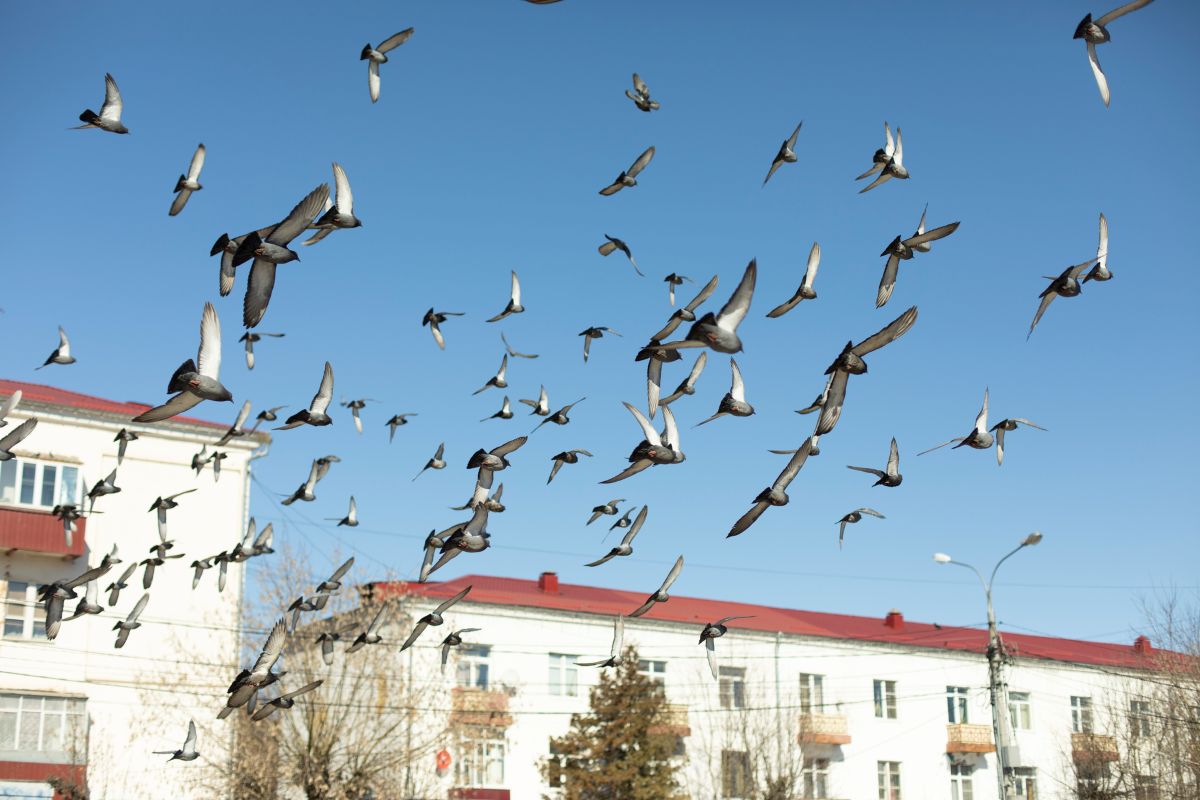
There's a tempting logic to reactive thinking: wait until there's a problem, then fix it. It's cheaper upfront, easier to justify, and frankly, it's just how a lot of facilities management decisions get made. But when it comes to birds - pigeons nesting on your roof, gulls colonising your loading bay, starlings roosting in your eaves - that logic falls apart pretty quickly.
The costs of dealing with an established bird problem are far higher than most people realise, and not just financially.
The Hidden Costs of Bird Mess
Guano isn't just unsightly. It's corrosive, it harbours disease, and it accumulates faster than you'd expect once birds have identified a spot as home. A single pigeon can produce up to 12kg of droppings per year - multiply that across a colony and you're looking at serious structural damage to roofing membranes, gutters, painted surfaces, and ventilation systems.
There are plenty of reasons why you should clean bird poop promptly, but cleaning alone is a cycle with no end. You remove the mess, the birds return, the mess comes back. Without addressing the root cause - why birds are there in the first place - you're spending money on a problem that never actually gets solved.
Prevention Works Out Cheaper

It's not a complicated equation. One-time installation of professional bird prevention for commercial sites will almost always cost less over a five or ten year horizon than repeated cleaning contracts, sanitisation treatments, and the occasional structural repair thrown in for good measure.
Anti-bird netting, in particular, is durable, low-maintenance, and effective across a wide range of building types. Once it's in place, it removes the opportunity for birds to settle - and birds, being creatures of habit, will simply move on. There's no ongoing labour cost, no chemicals, no disruption to daily operations.
The Health and Liability Angle
This part tends to focus minds fairly quickly. Bird droppings carry a range of pathogens - Histoplasma, Cryptococcus, Salmonella among them - that pose genuine risks to staff, customers, and visitors. In food production or hospitality environments especially, a bird infestation isn't just an aesthetic problem. It's a compliance one.
Environmental health officers take bird fouling seriously, and businesses that fail to control infestations can find themselves on the wrong end of an inspection. Prevention eliminates that exposure before it becomes a formal issue - which is always the better outcome than managing a crisis after the fact.
Timing Matters More Than People Think
One thing that often gets overlooked: bird control is significantly more straightforward before a colony establishes itself. Once birds have nested and returned season after season, they become increasingly difficult to displace. They're territorial, they're habitual, and they'll persist through deterrents that would have worked perfectly well at the outset.
Acting early - ideally when you first notice birds scouting a location, or during a building refurbishment when access is already available - is always the smarter call. Retrofitting prevention measures around an established colony is possible, but it's more complex and more expensive than getting ahead of the problem.
What Good Prevention Actually Looks Like
Effective bird control isn't just a matter of sticking up some spikes and hoping for the best. A proper survey of the site, an understanding of which species are involved, and an assessment of how and why they're using the space all inform what solution will actually work.
Netting remains the most comprehensive option for large-scale exclusion, but proofing methods vary depending on the building, the bird, and the pressure of the problem. A professional assessment ensures you're not over-specifying or under-protecting - both of which tend to cost more in the long run.
FAQs
Is bird prevention really worth the upfront cost?
In almost every case, yes. The upfront cost of installing bird proofing measures is typically far lower than the cumulative expense of repeated cleaning, guano removal, and any structural repairs that build up over time. For commercial properties, the liability and compliance risks add further weight to the case for acting early.
How long does bird proofing last?
Quality netting and proofing systems, when professionally installed, can last anywhere from ten to twenty-five years depending on the product and environment. That's a long window over which the initial investment is spread - making the cost-per-year significantly lower than most ongoing cleaning contracts.
Will birds just move to another part of the building?
It's possible, which is why a thorough site survey matters. A piecemeal approach - protecting one area while leaving another exposed - can displace rather than solve the problem. A comprehensive assessment identifies all the vulnerable points on a building and addresses them together.
Do I need to clean up existing droppings before bird proofing is installed?
Yes. Guano removal should happen before any proofing work takes place, both for hygiene reasons and to ensure a clean installation surface. It also removes the scent markers that draw birds back to familiar roosting spots, making the prevention measures more effective from the outset.
What's the most effective bird prevention method for commercial buildings?
Anti-bird netting is widely considered the gold standard for large-scale commercial exclusion. It's discreet, durable, and species-neutral - meaning it works regardless of whether you're dealing with pigeons, gulls, or starlings. For smaller or more specific problem areas, other methods such as post-and-wire systems or optical deterrents may be more appropriate.